In this brief Q&A, meet our two new in-house neurologists, and explore the background and perspective they both bring to advancing neuroscience research at Medpace.
These highly qualified neurologists offer Sponsors deep expertise across a broad spectrum of diseases within neurodegenerative and neuromuscular indications.

Meet Dr. Teresa León Colombo, MD, PhD, Vice President, Medpace
Medpace welcomes Dr. Teresa León Colombo, an accomplished neuroscientist and board-certified neurologist with 30+ years of experience in clinical development. Dr. León Colombo brings expertise in rare and neurodegenerative diseases.
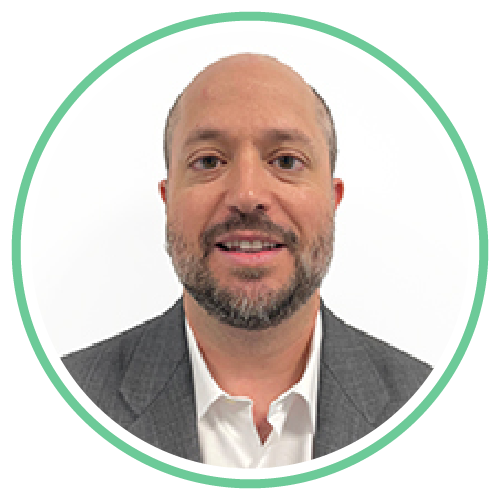
Meet Dr. Raul Barahona-Hernando, MD, Medical Director, Medpace
Medpace welcomes Dr. Raúl Barahona Hernando, a board-certified neurologist with over a decade of specialized clinical practice and a special focus on neuromuscular diseases. Dr. Barahona Hernando brings experience supporting the advancement of therapies for complex neurological conditions including Myasthenia Gravis, ALS, and rare neuromuscular disorders.
How does your prior experience in Neuroscience translate to your work at Medpace?
Dr. Teresa León Colombo: My career has focused on advancing therapies in neuroscience and rare CNS disorders. I have led global development programs across Alzheimer’s disease, progressive supranuclear palsy, and other complex indications, including rare disease in neurology. I bring experience from both clinical practice as a neurologist and leadership roles across biotech and large pharmaceutical organizations. At Medpace, this background allows me to contribute a strategic, end-to-end perspective integrating scientific rigor with operational excellence. I aim to focus on helping Sponsors design programs that are not only scientifically robust, but also efficient, scalable, and aligned with regulatory and commercial objectives.
Dr. Raul Barahona-Hernando: My experience as a neurologist for over a decade, managing complex neurological patients, particularly in the field of neuromuscular diseases, with my involvement as an investigator in clinical development programs provides me with a solid understanding of the patient journey in these conditions. This background allows me to bridge the gap between real-world clinical practice, patient needs, and the clinical development of new therapies, ensuring that study design and execution remain grounded in clinical reality.
What inspired you to focus your medical career on neurodegenerative/neuromuscular diseases and clinical development?
Dr. Teresa León Colombo: My early clinical training as a neurologist, combined with my experience as a clinical investigator and in industry, highlighted the significant unmet need in neurodegenerative diseases. Today, we are seeing meaningful progress, particularly in Alzheimer´s disease, with advances in biomarkers and the emergence of disease modifying therapies. What continues to motivate me is the opportunity to contribute to a field where innovation can have a profound and lasting impact. Clinical development provides a unique platform to translate scientific discoveries into therapies that can improve patients’ lives on a global scale.
Dr. Raul Barahona-Hernando: I developed an early interest in neuromuscular diseases due to the clinical complexity, need for precise diagnosis, and long-term patient care. Given the significant number of unmet medical needs in many of these conditions, I became increasingly involved in clinical research. This naturally led me to clinical development, where I can combine my clinical experience with the opportunity to contribute to the development of new therapies that can meaningfully impact patients’ lives.
What are the unique challenges and opportunities you see when developing advanced therapies for these conditions?
Dr. Teresa León Colombo: Neurodegenerative drug development is inherently complex, with challenges such as disease heterogeneity, long development timelines, and evolving biomarker landscapes. At the same time, these challenges are accompanied by significant opportunities. Advances in biomarkers, digital technologies, and real-world evidence are enabling more precise and patient-centric trial designs.
Dr. Raul Barahona-Hernando: Developing advanced therapies for neuromuscular conditions comes with several challenges. These are often biologically complex diseases, with heterogeneous phenotypes, and intricate pathophysiological mechanisms which makes it difficult to define clear endpoints. In many cases, clinical outcomes rely on functional scales that are subject to variability and may not capture subtle but meaningful changes over time. In addition, patients are often fragile, which can limit the feasibility of frequent assessments and pose challenges for retention throughout the study. At the same time, this field presents significant opportunities. The emergence of novel biomarkers, including molecular and imaging markers, as well as advances in digital health technologies and continuous monitoring, are providing more objective and sensitive ways to assess disease progression and treatment response.
As we look to the future, what trends or breakthroughs are you most excited about?
Dr. Teresa León Colombo: I am particularly encouraged by the shift toward mechanism-driven and personalized approaches to neurodegenerative diseases. Innovations such as biomarker-guided development, novel therapeutic modalities including gene therapies, and emerging targets like neuroinflammation are reshaping the landscape. These advancements bring us closer to a long-standing goal: not only treating symptoms but modifying disease progression and delivering transformative outcomes for patients.
Dr. Raul Barahona-Hernando: Novel therapeutic mechanisms, including gene therapies and emerging immunomodulatory approaches using biologics, have the potential to address disease biology more directly. In parallel, the increasing use of biomarkers is enabling more sensitive assessment of treatment response. Finally, innovative trial designs such as platform trials offer a more efficient and flexible way to evaluate multiple therapies, which is especially relevant in rare neuromuscular diseases. Together, these advances are shaping a more precise and effective approach to clinical development.
How does your experience in neurological rare disease clinical trials support further development?
Dr. Teresa León Colombo: My experience in rare neurological diseases has been central to shaping my approach to clinical development. Rare disease trials require highly tailored strategies from patient identification, recruitment, endpoint selection, and regulatory alignment. Through my work across rare CNS disorders, I have developed a strong understanding of how to design and execute studies in small, heterogeneous populations, where every data point is critical.
Dr. Raul Barahona-Hernando: My experience in the management of rare neurological diseases allows me to contribute a perspective that supports more effective study design and execution. Working with small and heterogeneous patient populations has given me a strong understanding of the challenges in patient identification and recruitment, as well as the need for tailored, patient-centered approaches. At Medpace, this experience helps optimize trial design, improve feasibility, and ultimately support more efficient and meaningful scientific development in these setting.
Accelerating Clinical Development in Neuroscience
Partner with a global CRO with a cross-functional collaborative model to set your Neuroscience trial up for success. The Medpace Neuroscience Team can support your clinical trials through:
- Vast experience successfully managing studies in rare disease indications provides the knowledge and resources to ensure success in genetic marker focused studies that must recruit and retain the hardest to find patients
- In-depth knowledge of screening tools and rating scales and experience providing oversight for rater services including subjective assessments, interrater reliability, and scale validation
- Flexible, highly customizable ePRO solutions that are fully integrated into our proprietary data management system, ClinTrak
- Extensive experience with the different therapeutic platforms (small molecules, monoclonal antibodies, blood derivatives, RNA and DNA therapies) and routes of administration (oral, parenteral, intrathecal, intracisternal, intracerebroventricular, intraparenchymal)
Related Insights
Article
Overcoming Complexities in Alzheimer’s Clinical Trials

Case Study