The rheumatology landscape continues to evolve as new therapies, technologies, and strategies transform drug development. Many of these advances in rheumatology research have been highlighted throughout 2026, including discussions at major industry events such as EULAR. Innovations in CAR-T cell therapy, systemic lupus erythematosus (SLE), rheumatoid arthritis, IgG4-related disease (IgG4-RD), axial spondyloarthritis (axSpA), and other emerging areas are creating new opportunities while introducing new challenges for drug development.
Below, Medpace rheumatology experts explore the key themes shaping rheumatology clinical development and discuss what these developments mean for future clinical trials.
Innovations in CAR T-Cell Therapy
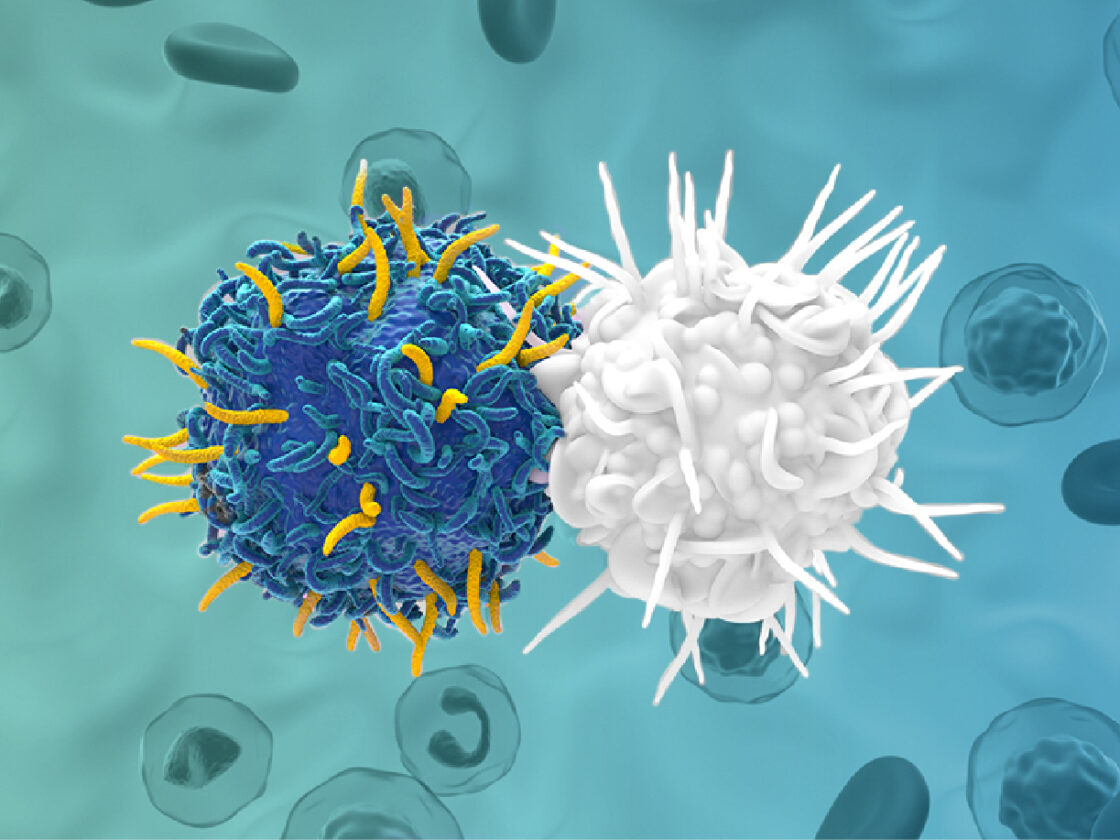
The cell therapy field is rapidly expanding beyond oncology-focused applications, with growing momentum behind approaches that modify patient or donor immune cells to correct abnormal immune responses in autoimmune diseases. These cell and gene therapies offer the potential for prolonged, drug-free remission in rheumatology conditions such as SLE, systemic sclerosis, rheumatoid arthritis, and idiopathic inflammatory myopathies. Unique challenges associated with these trials include complex manufacturing and administration, limited long-term safety data in autoimmune diseases, a smaller pool of eligible patients, patient hesitancy, and the need for highly specialized sites. Off-the-shelf (allogeneic) next generation CAR T-cell therapy expands therapeutic delivery, enabling wider reach in diverse autoimmune treatment settings, requiring lower doses or no pre-conditioning chemotherapy.
New data on dual-target CAR T (CD19/BCMA) therapies emerged as a major breakthrough aiming to achieve immune reset by aggressively targeting both circulating B-cells and long-lived plasma cells responsible for producing pathogenic autoantibodies to induce a profound and sustained clinical remission in refractory patients.
Additionally, strategies enabling in vivo, subset-specific reprogramming of immune cells, such as lipid nanoparticle (LNP)-based in vivo CAR T-cell therapy, may offer a more flexible and controllable paradigm for immune modulation.
IgG4-RD
Although significant progress has been made in understanding IgG4-RD, research continues identifying distinct pathogenic mechanisms, validating novel biomarkers for disease activity, establishing standardized treatment guidelines, and evaluating targeted biological therapies. During the EULAR congress, there was discussion around clinical predictors of IgG4-RD after drug cessation in patients who achieved sustained remission, highlighting the importance of early use of combination therapy to achieve durable remission.
The identification of specific biomarkers predictive of future flare risk will enable the clinical management of these patients despite the complex patterns of multi-organ involvement in IgG4-RD. Additionally, different disease phenotypes (proliferative vs fibrotic phenotype) may be associated with different serum levels of IgG4 suggesting possible differences in immune activity between these phenotypes. Early diagnosis of IgG4-RD is key to timely intervention to prevent relapses and halting progression to irreversible, fibrotic complications.
Long term efficacy and safety data of B-cell depleting have demonstrated sustained efficacy with a favorable safety profile, while emerging data on therapies that inhibit B-cell activation and function are expanding treatment options for this condition.
Lupus Nephritis
There are significant advancements in the treatment of lupus nephritis, including early aggressive intervention (combination regimens) and novel biological drugs. The updated EULAR recommendations for the management of SLE and lupus nephritis were discussed during the congress in June. Promising data on B-cell targeted therapies showed complete or near-complete histological remission, demonstrating a potent B-cell depletion in renal kidney tissue, which may drive kidney function improvement and reduce lupus nephritis flare.
Revised Classification Criteria for axSpA
The revised classification criteria for axSpA—developed in collaboration between ASAS (Assessment of Spondyloarthritis International Society) and SPARTAN (Spondyloarthritis Research and Treatment Network)—were presented at the EULAR Congress 2026. The revised classification criteria showed an improved performance compared to 2009 ASAS classification criteria, achieving sensitivity of >75% and specificity of >90%.
A key change is the upgrade of the value of criteria MRI, including not only bone marrow edema and inflammation, but also chronic changes such as erosions and new bone formation, which were not included in the 2009 criteria. This revised classification criteria improves the inclusion of patients with axSpA in clinical studies and may help increase the validity of patients included.

Leading Rheumatology CRO
Medpace’s expertise and consistent track record of success as a full-service CRO across various therapeutic areas provides the flexibility necessary to meet the unique needs of rheumatology research. Our in-house board-certified rheumatologists have a thorough understanding of the complex conditions that cause these diseases, as well as the medical complications experienced by patients. Experts collaborate across therapeutic areas to create effective and efficient study designs for Sponsors of all sizes.