Cardiovascular & Lipid
Laboratory Services
Laboratory Services
Supporting Trials for Lipid Disorders, Cardiovascular, and Metabolic Diseases
Medpace’s central laboratories have unparalleled experience and expertise in the development of lipid and cardiovascular modifying therapies. Key staff involves doctors, managers, and technologists with considerable expertise in the area of central laboratory operations for the pharmaceutical industry and federally funded programs, from discovery and proof of concept through large, long term global lipid and cardiovascular trials.
- Since 1985, this core group has been part of central laboratory operations for virtually every successful New Drug Application (NDA) involving lipid modifying therapies including, but not limited to, all “statins”, apo B antisense, and omega-3 agents.
- Recently, Medpace has provided efficacy analysis for two Proprotein convertase subtilisin/kexin type 9 (PCSK9) mAb inhibitors that supported acceptance of the FDA biologics license application (BLA), European & Global filing, and subsequent approvals by the FDA and EMA.
- Medpace has been the global central laboratory for Phase I – IV trials involving numerous lipid altering mechanisms including proprotein convertase subtilisin/kexin type 9 (PCSK9) inhibition involving monoclonal antibodies, RNA interference, fusion proteins, cholesteryl ester transfer protein (CETP) inhibition, Diacylglycerol Transferase (DGAT-1) inhibition, peroxisome proliferator-activated receptor (PPAR) agonism, omega-3 fatty acids, niacin analogs, and modifications of other biomarkers known to affect lipid metabolism such as Apo CIII and ANGPTL3 (angiopoietin-like 3).

Central Lab Services
- Apolipoprotein Analysis: AI, AII, AV, B (Total), B-48, B100, CII, CIII, E
- Cholesteryl Ester Transfer Protein (CETP), Mass
- Free Fatty Acids
- Free Glycerol
- HDL Cholesterol – Precipitation with dextran sulfate (reference method), “direct” or homogenous enzymatic method, Preparative Ultracentrifugation
- LDL Cholesterol – Preparative Ultracentrifugation, “direct” or homogenous enzymatic method calculated by the Friedewald, DeLong, Martin-Hopkins, or Sampson (NIH) formulas
- Lipid Profile (Total Cholesterol, Triglyceride, HDL-C, LDL-C)
- Lipoprotein(a) – Apo(a) isoform size, OxPL-apoB, OxPL-apo(a), and Lp(a)-C
- Lipoprotein-associated Phospholipase A2 (LpPLA2) Activity and Mass
- Oxidized LDL
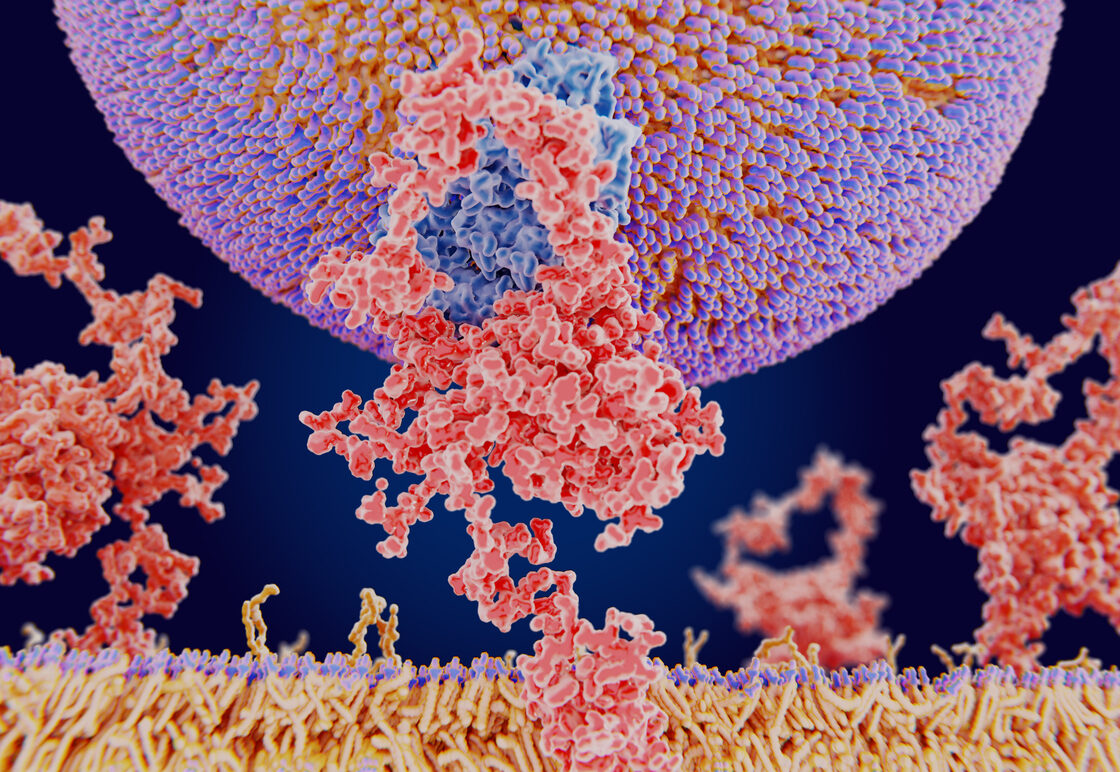
- PCSK9, total and free
- Oxidized LDL
- Phospholipids
- Prebeta-1 HDL
- Preparative Ultracentrifugation for lipoprotein fractionation
- Retinyl Palmitate
Key Instrumentation
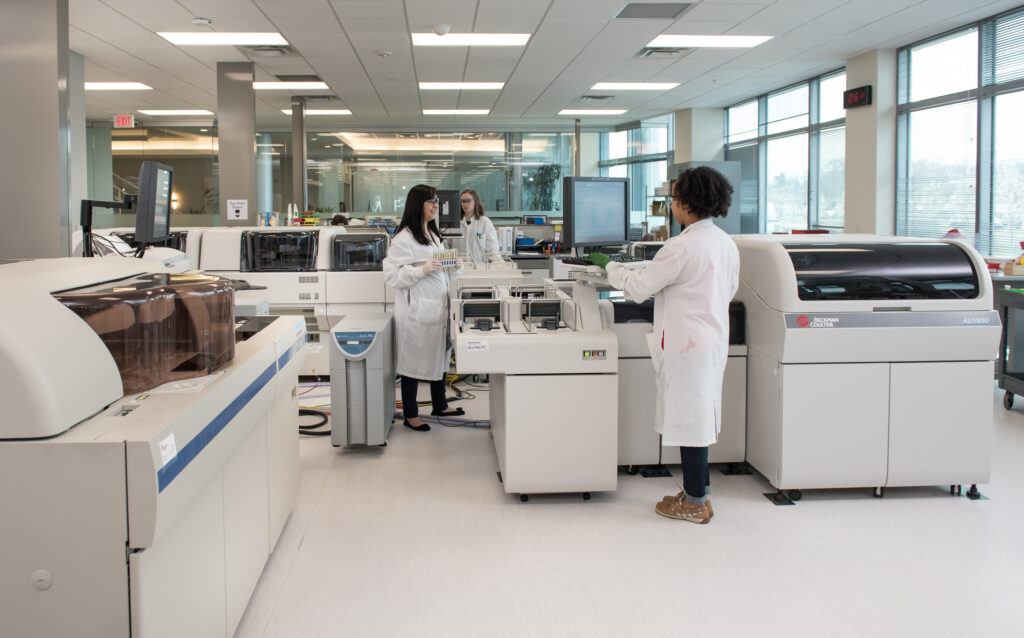
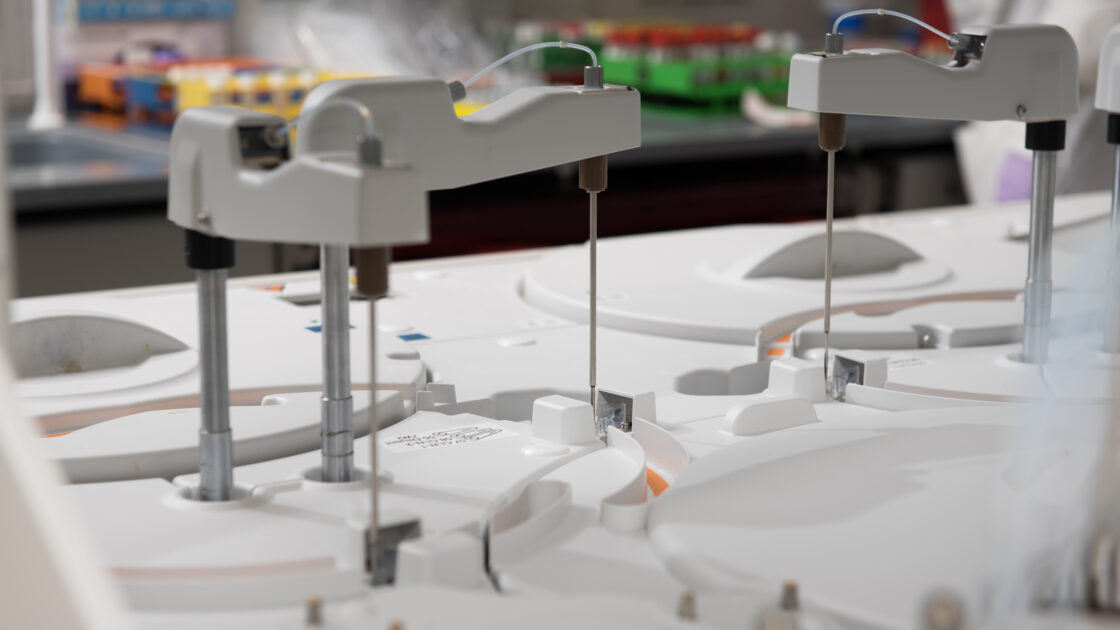
- Beckman Coulter AU Clinical Chemistry Analyzers
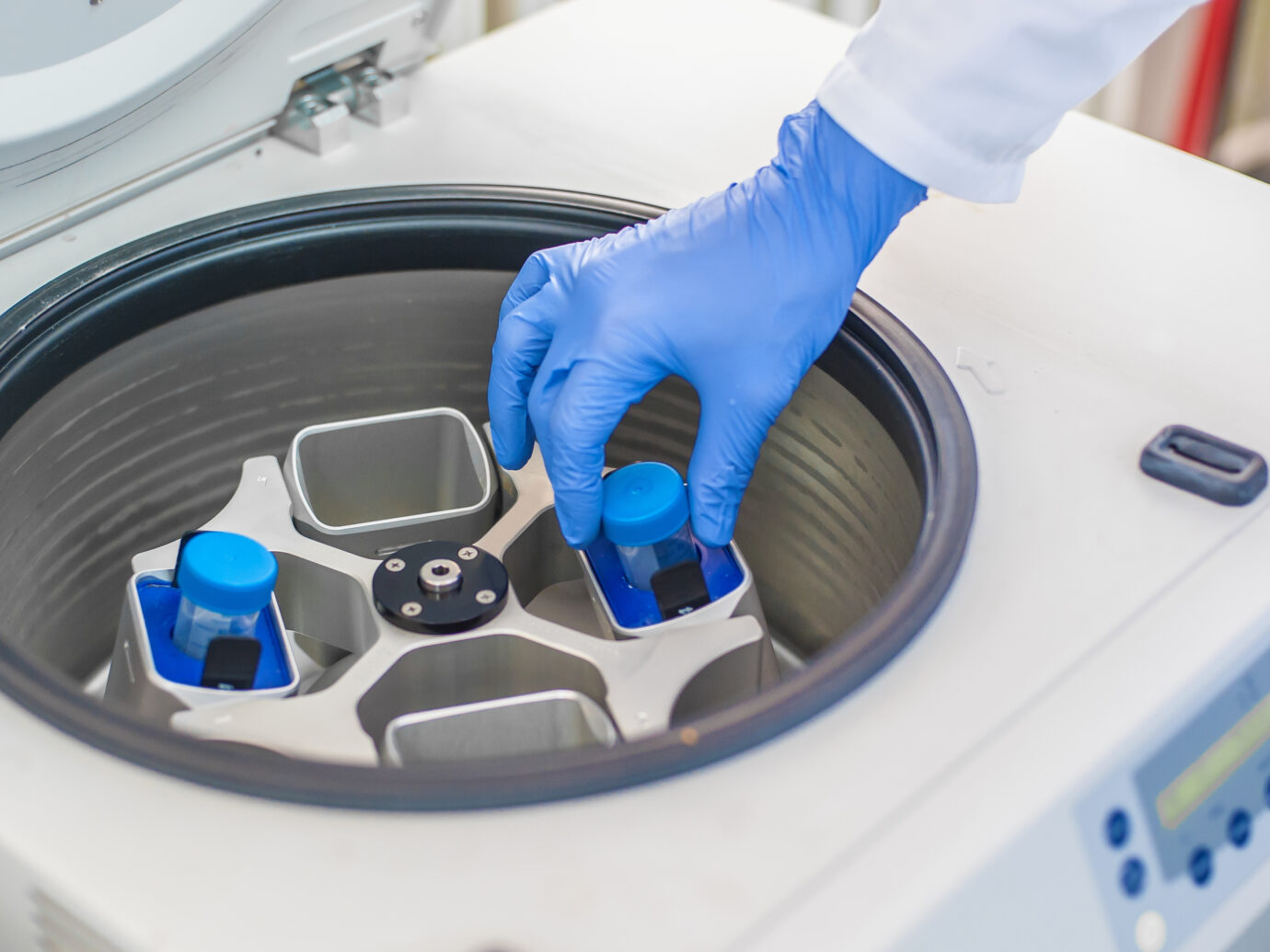
- Beckman Optima Ultracentrifuges
- Siemens BNII Nephelometers
- Randox Daytona
- Waters AcQuity UPLC H Class System
Lipid Standardization
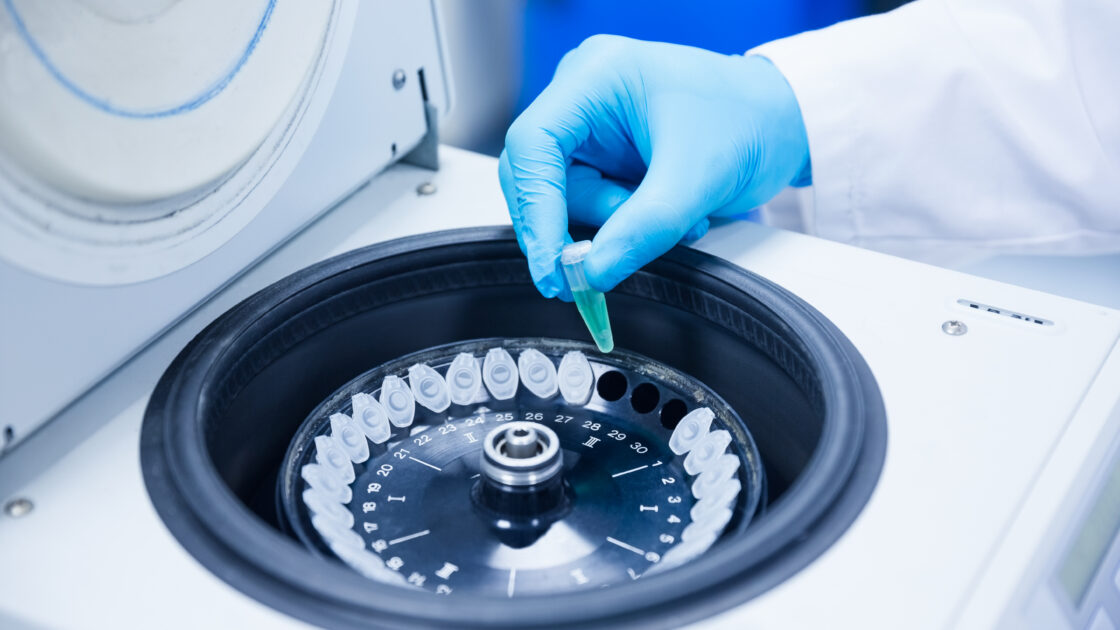
All four central lab locations globally participate in and are certified in the CDC (Center for Disease Control and Prevention) Lipid Standardization Part III Program for total cholesterol, triglyceride, High-Density Lipoprotein Cholesterol (HDL-C), and Low-Density Lipoprotein Cholesterol (LDL-C). Many lipid trials require LDL-C by the gold standard reference method, preparative ultracentrifugation (PUC), which is performed in high volume at Medpace with over 2,000 analyses monthly. Determination of efficacy and safety necessitates an accurate evaluation of drug effect, without the confounder of inaccurate data due to a less than optimal laboratory methodology. Medpace labs will get involved early in a drug development program, to aid in the determination of the best method for a clinical trial.

The Only U.S.-Based CRMLN Laboratory
Medpace is proud to be the only US-based laboratory certified by the CDC to be member of the Cholesterol Reference Method Laboratory Network (CRMLN), a global network of highly-specialized reference laboratories recognized for excellence in lipid testing. CRMLN certification is awarded to laboratories that demonstrate exceptional accuracy, precision, and long-term analytical performance using CDC-traceable reference methods for cholesterol and lipid measurements.
Under the scientific direction of Dr. Santica Marcovina, Medpace’s CRMLN-certified laboratory has supported assay standardization for diagnostic manufacturers and applies the same rigorous reference methods to monitor the quality of lipid analyses performed in clinical trials. For Sponsors developing therapies targeting dyslipidemia, cardiovascular disease, and related metabolic disorders, this distinction provides added confidence in the reliability, consistency, and scientific integrity of critical lipid endpoint data.