In global clinical trials, logistics is the backbone that protects sample integrity, safeguards study timelines, and ensures sites around the world have what they need, when they need it. From kit production and inventory management to temperature-controlled shipping and customs coordination, central laboratory logistics directly impacts data quality and operational success.
As part of our ongoing Q&A series highlighting the experts behind Medpace’s central labs, we spoke with George Andronos, Senior Director, Global Logistics, about building Medpace’s global logistics infrastructure, embracing digital transformation, and how innovation continues to strengthen Sponsor support worldwide.

Sr. Director, Global Logistics,
Medpace Reference Laboratories
Building a Global Logistics Network
What year did you join Medpace, and how has your career evolved since joining?
I joined Medpace in 2006. I’ve had the privilege of experiencing Medpace’s labs from its early stages through its global expansion and recognition as a trusted industry partner. Over time, my role evolved from supporting operations on a local scale to leading global logistics operations that now support studies in more than 100 countries.
How does your background translate to your work today?
With more than 30 years in logistics, you develop resilience and the ability to stay calm under pressure. In global clinical trials, unexpected challenges can arise at any time (e.g., customs delays, supply shortages, weather disruptions). Sponsors rely on a logistics team that can respond quickly, make informed decisions, and keep studies moving forward without compromising compliance or quality.
Innovation, Automation, and the Future of Logistics
What innovations have had the biggest impact on your department?
Over the past two decades, logistics has transformed from largely manual processes to fully digital, data-driven operations. The introduction of our first enterprise resource planning (ERP) system was a major milestone, creating structure and visibility across inventory and distribution. For Sponsors, this translates into greater transparency, faster response times, and improved predictability across the supply chain.
How do you see your field evolving in the coming years?
New technologies in logistics will revolutionize operations through automation, predictive analytics, and real-time optimization. We will see more intelligent warehouse management and enhanced forecasting. These advancements will drive efficiency gains, reduce waste, and enable more proactive issue resolution – critical advantages in complex, global studies.
Culture and Collaboration
What sets Medpace’s central lab culture apart from others in the industry?
Medpace has consistently adapted to change, adjusting quickly to new regulatory environments, technologies, and global challenges. That ability to remain agile and solution-oriented is essential in logistics, where no two studies or situations are exactly the same.
What professional moment reinforced why you do this work?
The COVID period stands out. During a time of global disruption, Medpace’s labs remained fully operational. Supporting Sponsors and ensuring continuity for patients during that period was both demanding and deeply rewarding.
Delivering Integrated Central Lab Logistics for Global Studies
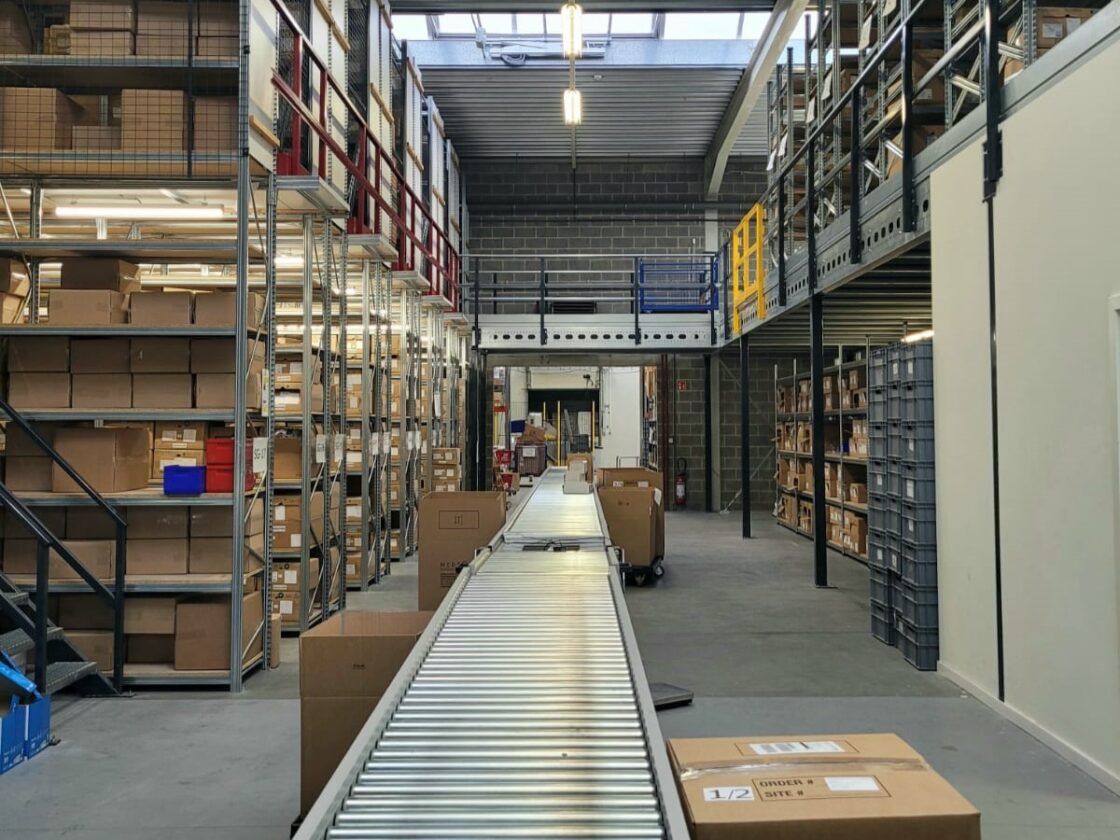
Medpace’s central laboratories have built a fully integrated logistics infrastructure designed to support complex, global clinical trials with speed and reliability. Our full-service model emphasizes complete ownership and control of procurement, kit assembly, inventory management, and global distribution.
Our logistic teams are integrated with central lab operations to streamline every aspect of sample logistics and data delivery. From sample collection through analysis and reporting, our labs and logistics teams work in lockstep to reduce handoffs, minimize delays, and ensure quality across the study lifecycle.